
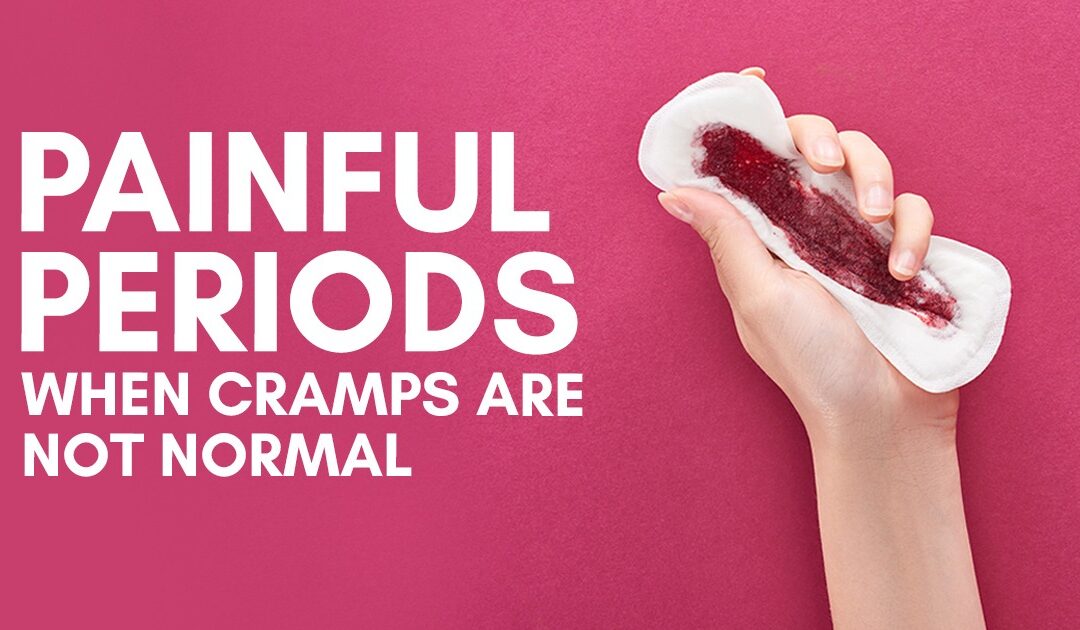
Almost all women have experienced period cramps at some point in their lives. For some, it is a mild monthly discomfort. But for many, it involves intense, painful episodes that return every month and affect daily life.
Because menstrual pain is so common, many girls grow up believing that severe cramps are simply part of being a woman. However, not all cramps are the same, and not all of them should be ignored.
Understanding the difference between usual discomfort and concerning pain can help women take better care of their health and seek help at the right time.
Why Do Period Cramps Happen?
During each menstrual cycle, the uterus builds a soft inner lining in preparation for pregnancy. When pregnancy does not occur, this lining sheds and leaves the body as menstrual flow. To push this lining out, the uterus contracts. These contractions are natural and are triggered by hormone-like chemicals in the body.
For many women, these contractions cause only mild discomfort that settles within a day or two. With rest and proper care, the pain improves. When cramps are mild and do not disturb daily life, they are usually considered normal.
What Do Normal Period Cramps Feel Like?
Normal period cramps generally:
-Begin just before or on the first day of periods
-Feel like a dull ache in the lower abdomen or back
-Improve within one or two days
-Reduce with proper rest and care
-Let you continue daily activities
You may feel uncomfortable or slightly tired, but you will still be able to continue with your work and manage your routine. The pain is manageable and predictable.
When Period Pain is Not Normal?
Period pain becomes concerning when it begins to affect your quality of life. If your monthly cycle brings fear because of severe pain, it is not something to ignore.
Signs that need attention include:
* Pain so severe that you cannot stand or sit comfortably
* Not able to work or continue routine
* Vomiting, dizziness, or fainting
* Heavy bleeding or passing large clots
* Pain lasting more than 3 days
* Pain that worsens month after month
* Pelvic pain even when not on periods
These symptoms are not normal and are your body’s way of signalling that something is wrong and needs immediate medical evaluation!
Possible Medical Reasons for Painful Cramps
There can be several underlying reasons for very painful periods, and identifying them early can make a big difference. Let us briefly look at some of them.
Endometriosis
In this condition, tissue similar to the lining of the uterus grows outside the uterus, such as on the ovaries or surrounding pelvic area. Each month, this tissue reacts to hormonal changes, causing inflammation and severe pain. Women with endometriosis often experience intense cramps, back pain and sometimes difficulty in conceiving. Many live with it for years without diagnosis because they assume pain is normal.
Uterine Fibroids
These are non-cancerous growths that develop in the uterus. Fibroids can lead to heavy bleeding, pressure in the lower abdomen and strong cramps during periods. Some women also feel a frequent urge to urinate due to pressure from fibroids.
PCOS
Hormonal conditions such as PCOS (Polycystic Ovary Syndrome) can also affect menstrual health. PCOS causes irregular cycles, hormonal imbalance and painful periods for a lot of women. Along with this, stress, poor sleep and lifestyle changes can also sometimes worsen the symptoms.
Other reasons may include pelvic infections, inflammation, adenomyosis or the use of certain intrauterine devices. It is important to note that these are only a few of the possibilities and the actual cause will differ from woman to woman and can only be diagnosed through a proper medical check-up.
Why Do Many Women Ignore Severe Period Pain?
In many Indian families, menstrual health is still not openly discussed. Girls are often told to tolerate pain quietly. Some feel shy or hesitant to consult a doctor, while others believe pain is normal or pain will improve with age or marriage. Ignoring repeated severe pain will not only delay treatment but can increase emotional and physical stress and can be life threatening for some.
When Should You Consult a Doctor?
It is wise to consult a gynaecologist if:
- Pain disrupts your daily routine every month
- Bleeding is unusually heavy
- Pain suddenly becomes worse than before
- Painkillers do not provide relief
- You feel extremely weak/ vomit/ faint
A simple consultation and basic tests like an ultrasound can provide clarity. Not many are aware that many conditions can be managed well with timely care and treatment.
Conclusion
Every woman deserves to go through her monthly cycle with comfort, understanding and proper support. While some discomfort during periods is normal, severe pain that affects your daily life is not. Listening to your body and seeking timely care can prevent long-term problems and improve your overall well-being.