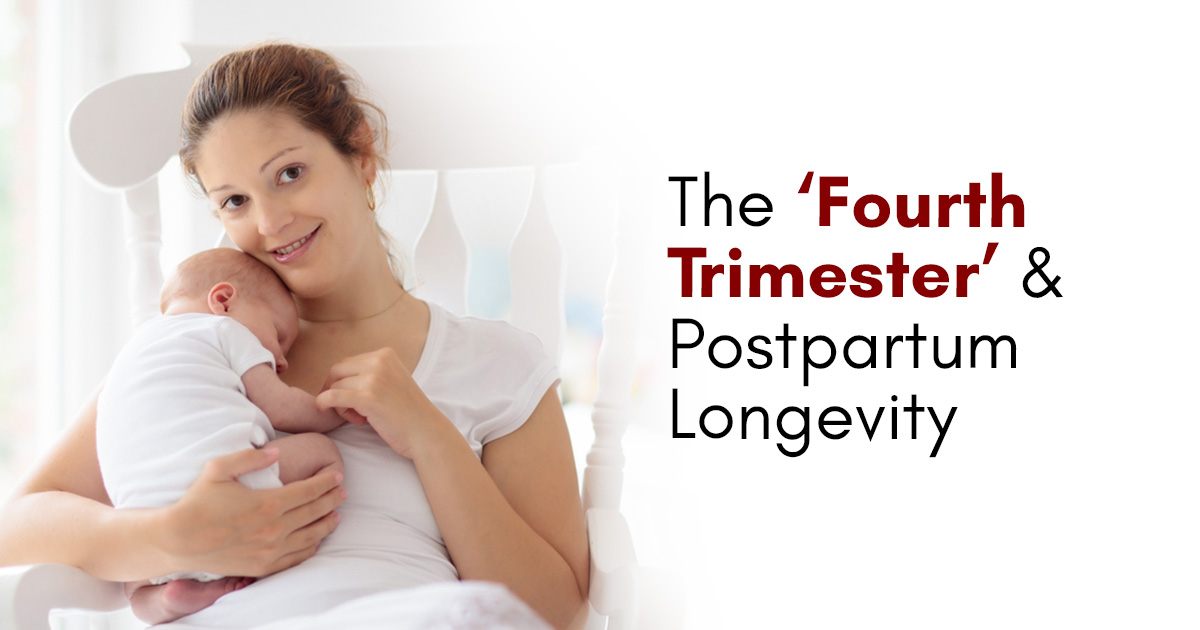
The day a baby is born is filled with happiness, celebration, and attention. Everyone gathers around the newborn with excitement. Photos are taken, advice is given, and the baby becomes the center of every conversation. But in this joyful moment, many forget to look at the woman who just went through one of the most intense experiences of her life.
Behind her smile, a new mother may be in pain, exhausted, overwhelmed, and emotionally vulnerable. Yet, she is often expected to recover quickly and handle everything. What many do not understand is that the period after delivery is not easier than pregnancy. In fact, it is often harder. The first three months after childbirth, known as the fourth trimester, are extremely sensitive and important. This is the time when a woman needs the most care, patience, and support.
WHAT IS THE FOURTH TRIMESTER?
The fourth trimester is the first twelve weeks after delivery. During this period, a mother’s body slowly adjusts after months of pregnancy. Hormones change quickly. Sleep becomes irregular. The body is healing from childbirth, whether through normal delivery or surgery. At the same time, she is learning how to hold, feed, comfort, and understand her baby. It is a beautiful phase, but also an intense and demanding one.
PHYSICAL RECOVERY
After childbirth, a woman’s body does not ‘bounce back’ in a few days. It needs time, patience, and care to heal. There may be pain, swelling, bleeding, and a kind of tiredness that sleep does not easily fix. Some mothers deal with constant back pain, weak core muscles, or unexpected bladder leaks that feel uncomfortable or embarrassing but are actually very common. Breastfeeding, though natural, can be painful at first. Sore nipples, heavy breasts, and worry about milk supply can leave a mother feeling anxious and unsure of herself.
Many women go through all this silently, believing they must stay strong. But suffering in silence should never be normal. Regular medical checkups, proper rest, nourishing food, and gentle movement can support healing and remind a mother that her comfort matters too.
THE EMOTIONAL UPS AND DOWNS
The fourth trimester is not only a physical journey, it is an emotional one too. A mother can feel deep love for her baby and still feel overwhelmed, lonely, or lost. Some days she may feel confident, and on others she may question everything. Mood swings are common, and the ‘baby blues’ can bring sudden tears, even without a clear reason.
For some women, these feelings become heavier and last longer, turning into postpartum depression. This does not mean she is weak. It means she is human and needs support. Emotional pain after childbirth is real, and it deserves the same care and attention as physical pain. When mothers are listened to without judgment, healing becomes possible.
POSTPARTUM LONGEVITY
Pregnancy and childbirth bring lasting changes to a woman’s body. Some mothers develop health concerns such as high blood pressure, diabetes, thyroid imbalance, or pelvic floor weakness after delivery. These issues may begin quietly, but if ignored, they can slowly affect daily life and long-term health. Regular doctor visits, open conversations about symptoms, and early treatment help protect a mother’s future wellbeing. Every mother deserves the chance to stay healthy, not just survive the early days. This is why postpartum care should never end after just a few weeks. Postpartum longevity means looking after a mother’s health not only today, but for many years to come.
THE IMPORTANCE OF SLEEP
Sleep becomes one of the hardest things to manage after a baby is born. Newborns wake up frequently, and mothers often go through the night with little to no proper rest. This lack of sleep affects mood, focus, immunity, and overall health. The advice ‘sleep when the baby sleeps’ may sound easy, but in reality, it is rarely practical. There are chores to manage, visitors to handle, and a mind that never truly switches off.
Many mothers feel extremely tired, overwhelmed, exhausted and everything but continue to push through every day. While full nights of sleep may feel impossible, even small moments of rest can help. Asking for help, sharing baby duties with a partner or family member, and taking short naps whenever possible can protect a mother’s energy and emotional wellbeing. Rest is not a weakness. It is a basic need.
THE IMPORTANCE OF PROPER NUTRITION
Food plays an essential role in postpartum recovery and long-term wellbeing. A mother’s body needs proper nourishment to heal and, if she is breastfeeding, to support milk production. Simple, balanced foods such as fresh fruits, vegetables, whole grains, protein, and plenty of fluids help restore strength and support overall recovery.
Sadly, many new mothers miss meals, rely on quick snacks, or forget to eat while caring for their baby. Over time, this can lead to increased tiredness, weakness, and emotional strain. Eating well is not a luxury. It is a basic form of self-care and an important part of healing during the fourth trimester.
FINAL THOUGHTS
The fourth trimester reminds us that motherhood is not just a moment. It is a transition that deserves time, respect, and compassion. When we support mothers through this tender phase, we are not only helping them recover. We are helping them thrive for years to come.